Now Live: The Aurevia Journal New Patient Consultations Available Premier Aesthetic Care in Irvine, CA Now Live: The Aurevia Journal New Patient Consultations Available Premier Aesthetic Care in Irvine, CA
Irvine msavoia62@gmail.com Request Appointment

Chemical Peels in Irvine

Skin Treatments · Controlled Epidermal & Dermal Exfoliation

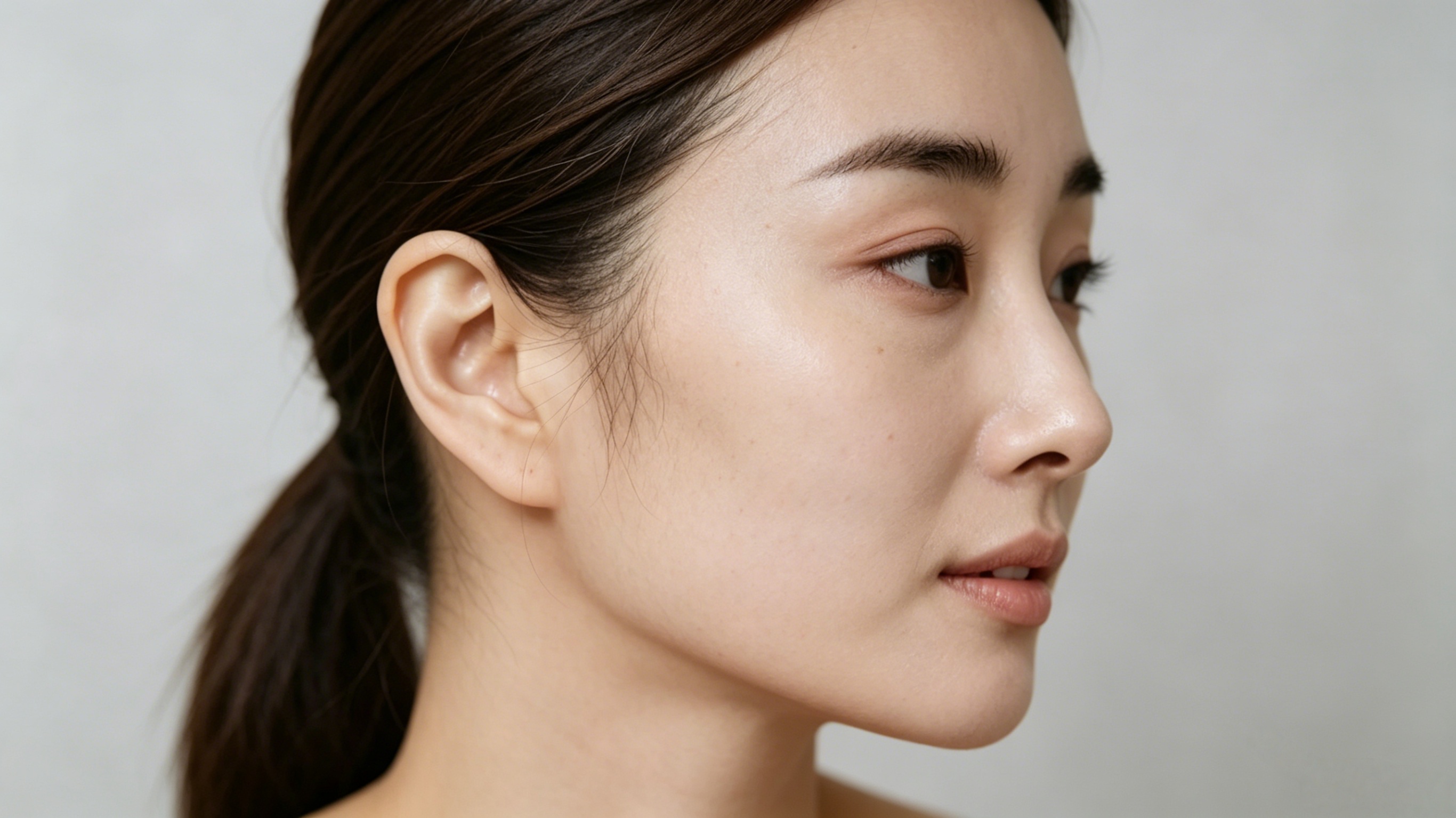
Chemical peel glow

Reveal
Radiant Skin

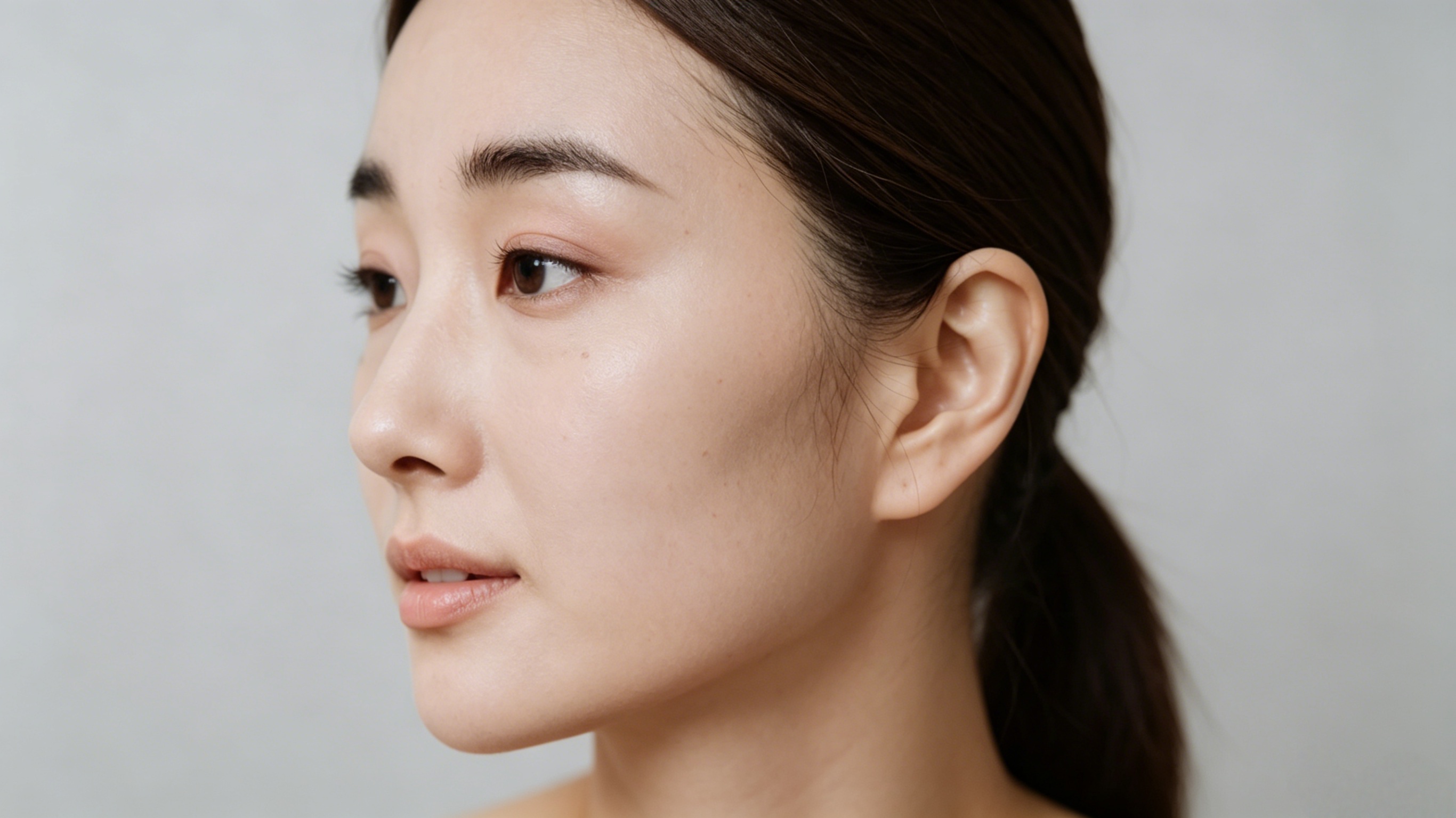
Chemical peel glow

Clinical
Peel Protocols

Acid-Mediated Skin Renewal

Chemical peels use medically formulated acids to accelerate controlled exfoliation — dissolving intercellular bonds in the stratum corneum and, at greater depths, inducing coagulative necrosis of epidermal and dermal tissue followed by re-epithelialization. The result is smoother texture, clearer pores, reduced pigment, and softened fine lines as new skin emerges. At Aurevia Skincare in Irvine, peels are selected by depth, acid chemistry, and your Fitzpatrick type — from light glycolic refreshes to medium-depth VI Peel and TCA protocols performed under clinical supervision.

Peel Depth Timeline: Superficial → Medium → Deep

Chemical peel outcomes and recovery are determined primarily by how deeply the acid penetrates. Your Aurevia provider matches depth to your concern, skin type, and downtime tolerance — never exceeding safe limits for your Fitzpatrick classification.

  1. Superficial Peel

    Penetration: Epidermis only — stratum corneum through basal layer.
    Agents: Low-concentration glycolic (20–30%), salicylic (20–30%), mandelic, or lactic acid; light Jessner's solutions.
    Recovery: Mild flaking or dryness for 2–5 days; minimal social downtime. Often called a "lunchtime peel."
    Best for: Dullness, mild acne, early photoaging, maintenance between deeper treatments.

  2. Medium Peel

    Penetration: Epidermis through papillary dermis.
    Agents: TCA 10–35%, VI Peel (blend of TCA, retinoic acid, salicylic, phenol, and vitamin C), higher-strength Jessner's followed by TCA.
    Recovery: Significant peeling days 3–7; erythema 1–2 weeks. Plan 5–7 days of reduced social activity.
    Best for: Moderate dyschromia, acne scarring, actinic keratoses, deeper fine lines, texture correction.

  3. Deep Peel

    Penetration: Reticular dermis — full-thickness epidermal destruction.
    Agents: High-concentration TCA (≥50%) or Baker-Gordon phenol formulas.
    Recovery: 2–3+ weeks of healing; significant erythema and edema. Requires cardiac monitoring considerations with phenol.
    Best for: Severe photoaging and deep rhytids — rarely first-line in modern aesthetic practice; candidacy is highly selective. Aurevia prioritizes medium-depth and combination protocols before deep peeling.

Skin layers peel depth diagram

Peel Types We Offer

Each acid class interacts with skin differently — keratolytic (AHAs), lipophilic (salicylic), or protein-coagulative (TCA/phenol). Selection depends on oiliness, pigment risk, and target depth.

VI Peel

Medical-grade medium-depth blend containing TCA, retinoic acid, salicylic acid, phenol, and ascorbic acid. Designed for pigment, acne, and aging with a standardized protocol and take-home post-peel kit. Effective across many Fitzpatrick types when applied by trained clinicians.

Glycolic Acid (AHA)

Alpha-hydroxy acid derived from sugar cane. Water-soluble; loosens corneocyte cohesion in the superficial epidermis. Concentrations of 20–50% improve dullness, fine texture, and early photoaging with minimal downtime at lower strengths.

Salicylic Acid (BHA)

Lipophilic beta-hydroxy acid that penetrates sebaceous follicles. Ideal for acne, comedonal congestion, and oily skin at 20–30% superficial depth. Anti-inflammatory properties reduce post-procedure erythema compared to some AHAs.

TCA Peel

Trichloroacetic acid causes protein denaturation and coagulative necrosis proportional to concentration. TCA 10–15% is superficial; 20–35% reaches medium depth for dyschromia, actinic damage, and scar remodeling. Frosting appearance guides endpoint during application.

Chemical peel solutions
Chemical peel application

Your Chemical Peel Treatment

Every peel at Aurevia begins with skin cleansing and degreasing — often with acetone or medical-grade prep solution — to ensure even acid penetration. Sensitive areas (nasolabial folds, perioral skin) may receive barrier ointment for protection.

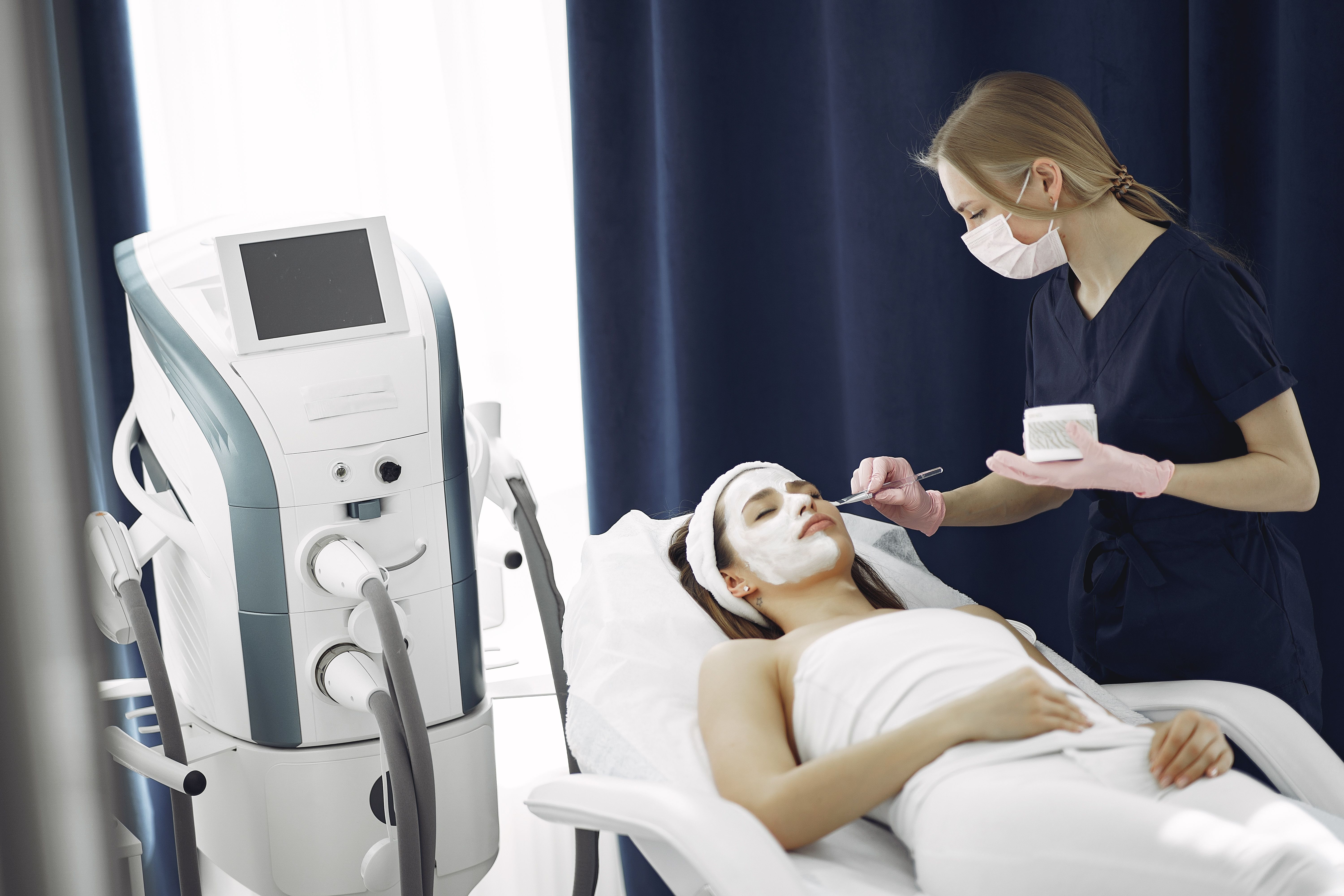
The selected peel solution is applied in even passes with a brush or gauze. Application time and number of layers depend on peel type, skin response, and endpoint cues such as erythema, frosting (TCA), or uniform pinkness. A neutralizing agent is used for glycolic peels; self-neutralizing formulas like VI Peel and TCA do not require neutralization.

Post-peel, soothing balm and SPF are applied. You receive take-home instructions and, for VI Peel, a companion kit with towelettes and moisturizer to support the peeling phase over days 3–7. Strict sun avoidance is mandatory throughout healing — fresh skin is highly photosensitive.
What Chemical Peels Treat

Acne & Congestion

Salicylic and blended peels reduce comedones, inflammatory papules, and post-acne erythema by unclogging follicles and accelerating cell turnover. Series of superficial peels or periodic medium-depth VI Peel sessions address active breakouts and residual scarring.

Hyperpigmentation

Peels lift epidermal melanin by accelerating exfoliation of pigmented keratinocytes. Solar lentigines, post-inflammatory hyperpigmentation (PIH), and uneven tone respond well to glycolic, VI Peel, and TCA protocols combined with rigorous daily SPF.

Melasma (with caution)

Melasma is a chronic, hormonally influenced pigment disorder with high recurrence risk. Peels may improve appearance when part of a comprehensive plan including topical suppressors (hydroquinone alternatives, tranexamic acid, azelaic acid) — but aggressive peeling can worsen melasma if inflammation is excessive. Aurevia uses conservative, staged protocols only after thorough assessment.

Fine Lines & Texture

Medium-depth peels stimulate dermal remodeling as the epidermis regenerates — softening perioral lines, crow's feet, and crepey texture. Results accumulate over a series; maintenance superficial peels extend clarity between deeper sessions.

Contraindications & Safety Considerations

Chemical peels are powerful exfoliants. The following conditions may preclude treatment or require postponement until skin is stable:

  • Active bacterial, viral (herpes simplex), or fungal infection in the treatment area
  • Open wounds, sunburn, or compromised skin barrier in the peel zone
  • Isotretinoin (Accutane) use within the prior 6–12 months for medium-depth peels
  • Pregnancy or breastfeeding — many peel agents lack safety data in these populations
  • Recent waxing, laser resurfacing, or aggressive retinoid use without adequate recovery interval
  • History of keloid or hypertrophic scarring — especially relevant for medium and deep peels
  • Unrealistic expectations or unwillingness to comply with mandatory post-peel sun protection

Fitzpatrick types IV–VI carry elevated PIH risk with any exfoliative procedure. Pre-treatment priming with pigment stabilizers, conservative peel selection, and test-spot application may be recommended. A consultation with our providers determines whether peel depth and acid class are appropriate for your skin.

Procedure

20–45 minutes in-office depending on peel type. Includes cleanse, degrease, peel application, and post-care. No general anesthesia for superficial and medium peels; topical numbing may be offered for comfort on sensitive patients.

Recovery

Varies by depth. Superficial: 2–5 days of mild flaking. Medium: 5–7 days of visible peeling with erythema up to 2 weeks. Avoid picking peeling skin, heat exposure, and direct sun until re-epithelialization is complete.

Results

Visible after peeling completes. Brighter tone and smoother texture emerge once exfoliation finishes. Collagen response from medium peels continues for weeks. Series of 3–6 superficial peels or 1–2 medium peels per year is common.

How Much Do Chemical Peels Cost?

Priced by peel type and depth. Irvine chemical peel sessions typically range from $150 – $400 per treatment depending on formulation (glycolic vs. VI Peel vs. TCA) and areas treated. Series packages quoted at consultation.

Superficial vs. Medium Chemical Peel

Understanding the trade-off between downtime and correction depth helps you choose the right peel tier at your Aurevia consultation.

Feature Superficial Peel Medium Peel
Penetration depth Epidermis only Epidermis + papillary dermis
Common agents Glycolic 20–30%, salicylic 20–30%, light lactic/mandelic TCA 20–35%, VI Peel, Jessner's + TCA
Visible peeling Mild flaking or none Sheet peeling days 3–7
Social downtime 0–2 days 5–7 days typical
Erythema duration Hours to 1–2 days 3–14 days
Acne improvement Good for active comedonal acne Stronger for scarring and resistant acne
Pigment correction Mild dyschromia, maintenance Moderate PIH, lentigines, sun damage
Wrinkle softening Minimal — early fine lines only Moderate perioral and periorbital lines
PIH risk (darker skin) Lower with proper selection Moderate — requires expert assessment
Sessions per series 4–6 spaced 2–4 weeks apart 1–2 per year, sometimes 3 for scars
A chemical peel is only as safe as the clinician applying it. Acid concentration, application technique, endpoint recognition, and post-peel sun protection determine whether you achieve glow or complication. At Aurevia Skincare, every peel is medically supervised — with honest guidance on melasma risk, Fitzpatrick limitations, and when laser or microneedling may serve you better.
Aurevia Skincare · Irvine, CA
Aurevia Skincare Irvine lobby

Chemical Peel FAQs

Which chemical peel is best for my skin?

Selection depends on concern, skin type, and downtime tolerance. Salicylic peels suit oily, acne-prone skin. Glycolic peels address dullness and early photoaging. VI Peel and TCA target moderate pigment, texture, and scarring. Your Aurevia consultation identifies the appropriate depth and acid class.

Does a chemical peel hurt?

Superficial peels cause mild tingling or stinging for 1–3 minutes. Medium peels produce stronger burning sensation during application; cool air fans and brief application times manage comfort. Sensation resolves once the peel is neutralized or completes its self-neutralizing cycle.

How long will I peel after a chemical peel?

Superficial peels may cause light flaking for 2–5 days — or no visible peeling at all. Medium peels typically produce sheet peeling starting day 3 and lasting through day 7. Do not pick or pull peeling skin; let it shed naturally to avoid scarring and PIH.

Can chemical peels treat melasma?

Peels may improve melasma when combined with topical suppressors and strict sun protection — but melasma has high recurrence and can worsen with inflammatory procedures. Aurevia uses conservative, staged protocols only after assessment. We may recommend priming agents for weeks before peeling.

How often can I get a chemical peel?

Superficial peels can be repeated every 2–4 weeks for a series of 4–6 treatments. Medium peels require longer intervals — typically 4–12 weeks between sessions, with most patients receiving 1–2 medium peels per year. Over-peeling damages the barrier and increases complication risk.

What should I avoid before and after a peel?

Before: pause retinoids, exfoliating acids, and waxing per provider instructions (typically 3–7 days). After: avoid sun, heat, sweating, swimming, and active skincare until peeling completes. Daily broad-spectrum SPF 30+ is non-negotiable throughout healing and beyond.

Are chemical peels safe for darker skin tones?

Fitzpatrick types IV–VI have higher PIH risk. Superficial peels with mandelic, lactic, or low-strength salicylic acid are often safer entry points. Medium-depth TCA and VI Peel require expert assessment, pre-treatment priming, and test spots when indicated. Your provider discusses risk-benefit honestly.

Can I combine chemical peels with other treatments?

Yes — peels pair with microneedling, dermaplaning, and IPL when properly spaced. Combining too aggressively increases inflammation. Your Aurevia plan sequences treatments to maximize results while protecting the skin barrier.

Request Appointment

Aurevia Skincare is Irvine's destination for professional chemical peels. Discover whether VI Peel, glycolic, salicylic, or TCA protocols are right for your skin with a consultation from our clinical team.