Acne Scars
SkinPen is FDA-cleared for atrophic facial acne scars. Repeated sessions remodel scar tissue and smooth rolling, boxcar, and shallow ice-pick textural change.
Skin Treatments · Collagen Induction Therapy
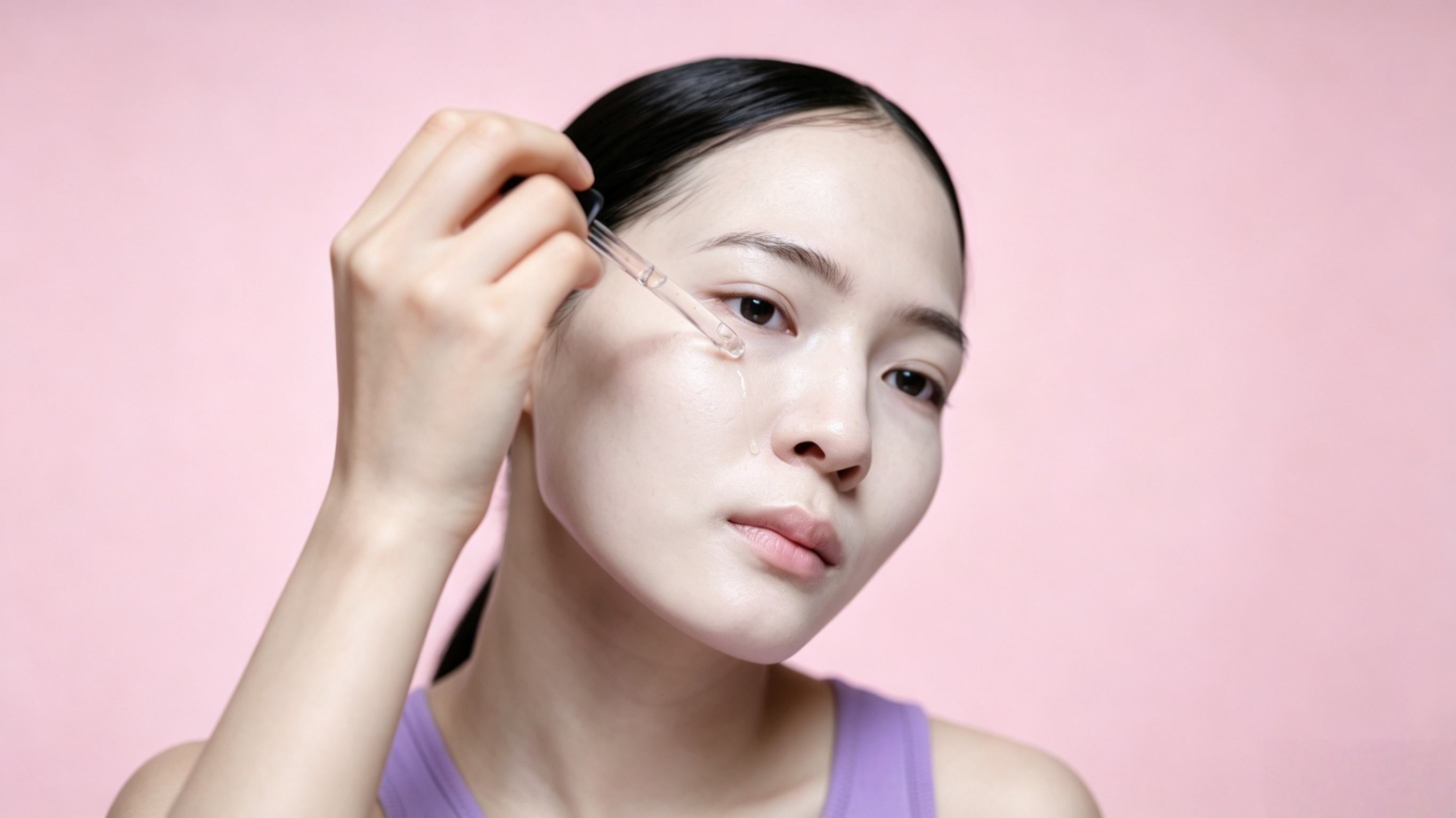
Microneedling — also called collagen induction therapy (CIT) — creates thousands of precise, controlled micro-channels in the skin using sterile needle arrays. These micro-injuries trigger a wound-healing cascade: fibroblasts deposit new type I and III collagen and elastin as channels close, improving texture, scar appearance, pore size, and fine lines without removing the epidermis. At Aurevia Skincare in Irvine, we perform microneedling with the SkinPen® — the first FDA-cleared microneedling device clinically proven to safely and effectively treat facial acne scars in patients ages 22 and older.
Microneedling uses fine needles to puncture the skin to a calibrated depth — typically 0.5–2.5mm depending on indication and zone. Unlike ablative lasers that vaporize tissue, microneedling preserves the epidermal barrier while stimulating dermal remodeling. The controlled injury pattern activates platelet-derived growth factors, TGF-β, and other cytokines that drive neocollagenesis over weeks to months.
Modern microneedling evolved from early dermabrasion concepts into precision-engineered devices. The SkinPen® by Bellus Medical uses a reciprocating, sterile, single-use needle cartridge with adjustable depth and vertical needle entry — a significant advance over manual derma rollers that penetrate at an angle and cannot be depth-calibrated per pass.
SkinPen is FDA-cleared for the treatment of facial acne scars in patients 22 years of age and older. In aesthetic practice, microneedling is also widely used off-label for fine lines, enlarged pores, stretch marks, and textural irregularities when performed by qualified clinicians with appropriate technique and aftercare.
*For patients seeking deeper dermal remodeling with radiofrequency coagulation, Aurevia also offers RF microneedling and Morpheus8 — discussed at consultation when RF enhancement may benefit your goals.
Aurevia performs SkinPen microneedling in a controlled clinical setting with topical anesthetic, sterile technique, and real-time depth adjustment. Most face treatments take 30–45 minutes after numbing.
Your provider reviews medical history, active breakouts, scarring pattern, and goals. Pre-treatment may include pausing retinoids and strict sun protection. A topical numbing cream is applied 20–30 minutes before the procedure.
Makeup, oils, and debris are removed. Skin is disinfected. A sterile, single-use SkinPen needle cartridge is loaded — disposable cartridges eliminate cross-contamination risk associated with reusable roller heads.
The SkinPen glides over treatment zones with perpendicular needle entry at adjustable depth and speed. Hundreds of micro-channels form in the epidermis and upper dermis, initiating collagen induction. Sensitive areas — periorbital skin, lips — receive conservative settings.
Hyaluronic acid serum, growth-factor topicals, or PRP (if selected) are applied while channels remain open. You receive written aftercare: gentle cleanser, bland moisturizer, and mandatory broad-spectrum SPF 30+.
Erythema and mild swelling typically resolve within 24–72 hours. Makeup is often possible the next day. Visible texture improvement emerges over 2–4 weeks; full collagen remodeling continues for 3–6 months. Series of 3–6 treatments spaced 4–6 weeks apart are common for scarring and photoaging.
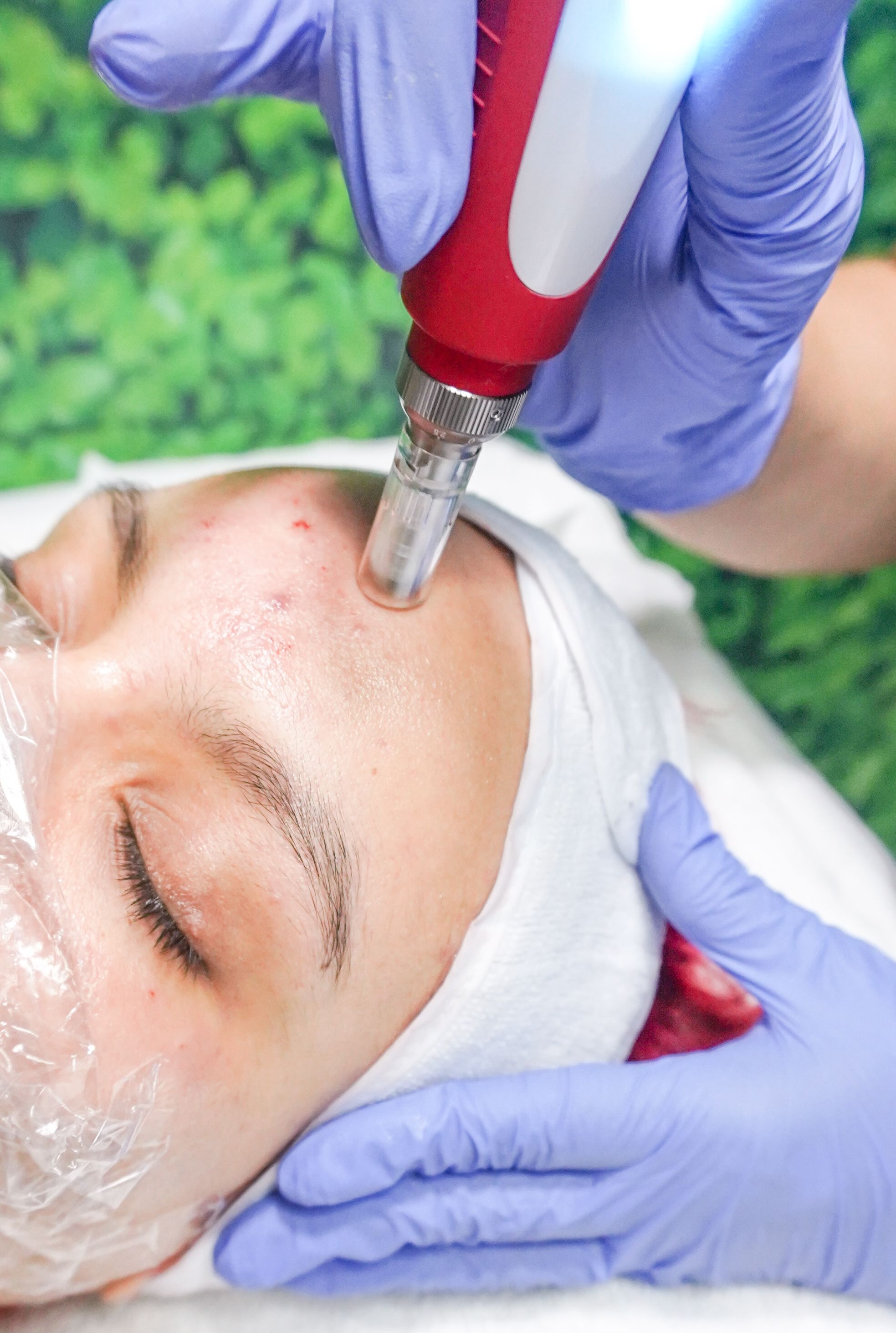
Many salons still use manual derma rollers — cylindrical devices with fixed needle length that enter skin at an angle, creating uneven channel geometry and greater epidermal trauma. SkinPen delivers vertical, depth-adjustable penetration with a motorized stamp mechanism, reducing unnecessary surface injury and typically shortening recovery.
Disposable cartridges ensure sterility between patients. Your Aurevia provider adjusts needle depth per facial zone — shallow passes for delicate tissue, deeper settings for acne-scar remodeling on cheeks or temples — precision that rollers cannot replicate.
Patients often describe a vibrating or prickling sensation during treatment. With adequate numbing, discomfort is well tolerated. Post-procedure redness resembles a mild sunburn and fades quickly for most skin types.
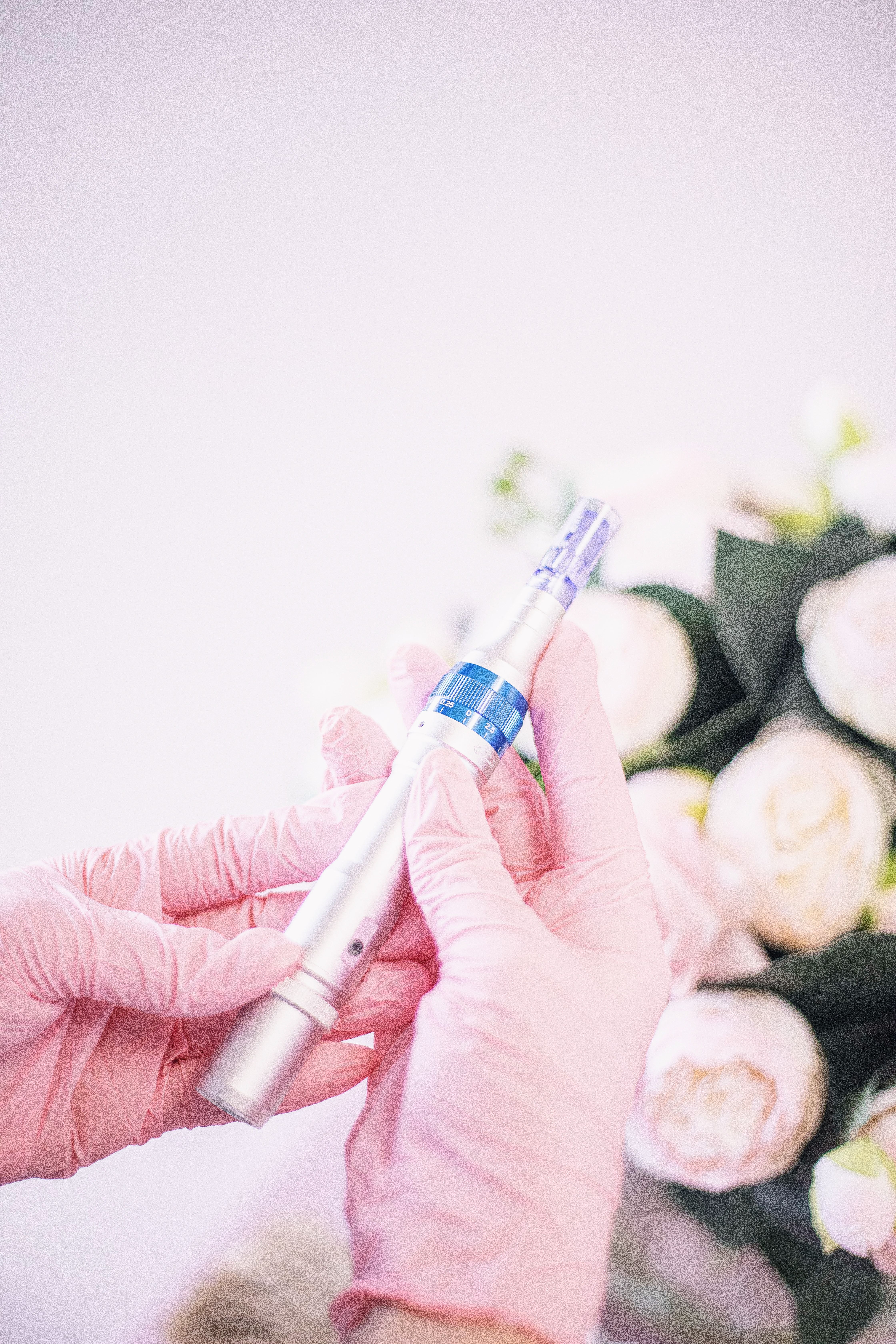
Platelet-rich plasma (PRP) microneedling — popularly called a "vampire facial" — combines SkinPen collagen induction with your own concentrated platelets applied topically during and immediately after treatment. Platelets release growth factors (PDGF, VEGF, TGF-β) that may accelerate healing and amplify the remodeling response initiated by micro-channels.
The process begins with a small venous blood draw. Whole blood is centrifuged to isolate the platelet-rich fraction, which is then applied to skin while microneedling channels remain open — allowing enhanced penetration of bioactive proteins into the dermis.
Patients who add PRP often report faster resolution of post-treatment erythema and more noticeable early glow, though individual response varies. PRP is optional and discussed during your Irvine consultation; it is not required for effective microneedling outcomes.
Collagen induction therapy addresses concerns rooted in dermal collagen loss, scar matrix disorganization, and superficial textural irregularity — with minimal downtime relative to ablative resurfacing.
SkinPen is FDA-cleared for atrophic facial acne scars. Repeated sessions remodel scar tissue and smooth rolling, boxcar, and shallow ice-pick textural change.
Neocollagenesis tightens the dermal matrix, refining rough patches, enlarged pores, and uneven surface quality across face and neck.
Stimulates collagen and elastin to soften early rhytids, crepey texture, and dullness from cumulative sun exposure.
Micro-channels temporarily increase absorption of medical-grade serums and growth factors applied immediately post-treatment.
As skin ages, collagen and elastin degrade — recovery slows and texture, tone, and scarring become more visible. Ask yourself these five questions. If you answer yes to any, microneedling may be a fit for your goals:
Microneedling may not be appropriate with active acne cysts, active herpes simplex, eczema or psoriasis flares in the treatment zone, pregnancy, recent isotretinoin use, or bleeding disorders. Fitzpatrick types I–VI can often be treated with appropriate technique and sun protection; your Aurevia consultation confirms candidacy.
Not all microneedling devices deliver equivalent safety, precision, or outcomes. This comparison explains why Aurevia uses FDA-cleared SkinPen technology rather than manual rollers.
| Feature | SkinPen (Medical Device) | Manual Derma Roller |
|---|---|---|
| FDA clearance | Cleared for facial acne scars, ages 22+ | Not FDA-cleared as a medical microneedling device |
| Needle entry angle | Perpendicular (90°) stamp mechanism | Angled rolling entry — uneven channel geometry |
| Depth control | Adjustable per zone and pass | Fixed needle length only |
| Sterility | Single-use disposable cartridges | Reusable heads — higher contamination risk |
| Epidermal trauma | Controlled, calibrated micro-injury | Often excess surface tearing and track marks |
| Typical recovery | 24–72 hours erythema for most patients | Often longer redness and track-pattern irritation |
| Provider setting | Medical clinic with trained clinician | Often spa/salon without medical oversight |
30–45 minutes per session after numbing. SkinPen creates controlled micro-channels at calibrated depth. Face, neck, décolleté, and limited body zones can be treated. Optional PRP adds 15–20 minutes for blood draw and preparation.
Minimal downtime. Expect redness and mild swelling for 24–72 hours. Most patients resume normal activities within 1–2 days and can wear makeup once skin calms. Avoid sun, saunas, and active skincare until cleared.
Progressive over weeks. Early glow within days; collagen remodeling continues 3–6 months. Acne scar improvement is often permanent; age-related changes may require maintenance. Series of 3–6 sessions spaced 4–6 weeks apart is typical.
Priced per session and enhancement. Irvine SkinPen microneedling typically ranges from $250 – $550 per treatment depending on areas treated and whether PRP is added. Series pricing is quoted at consultation.
Microneedling is deceptively simple — outcomes depend on device quality, needle depth, sterility, and post-care compliance. At Aurevia Skincare, we use FDA-cleared SkinPen technology with medical-grade technique, not salon rollers. When your goals require deeper subdermal remodeling, we guide you toward Morpheus8 or RF microneedling with an honest assessment of what your skin needs.Aurevia Skincare · Irvine, CA
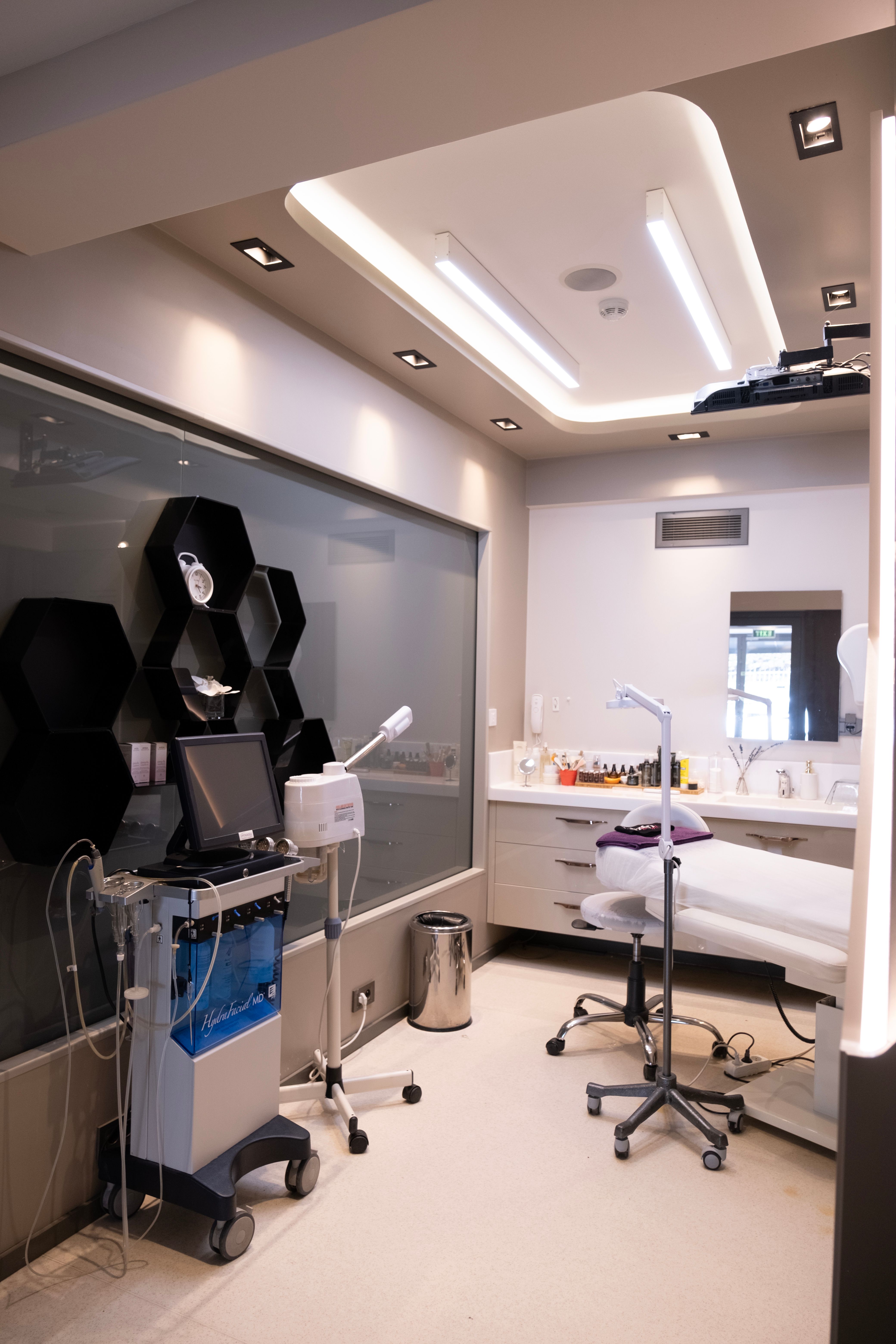
After topical numbing, your provider cleanses skin and glides the SkinPen across treatment zones. Most patients feel a vibrating or prickling sensation. Treatment takes 30–45 minutes for a full face. PRP, if added, is applied while micro-channels remain open.
Skin appears red — similar to a mild sunburn — with possible slight swelling for 24–48 hours. Avoid makeup, exercise, and sun exposure until your provider clears you, typically within 24 hours. Gentle cleanser, bland moisturizer, and SPF are essential.
Most Irvine patients experience 1–3 days of visible redness. Many return to work the next day and cover remaining erythema with makeup once skin has calmed. Deeper scar-revision settings may extend redness slightly.
Acne scars and significant texture change typically require 3–6 sessions spaced 4–6 weeks apart. Fine lines and maintenance may improve after 1–3 treatments. Your Aurevia provider recommends a series at consultation based on scar depth and skin response.
Initial glow may appear within days as inflammation resolves. Collagen remodeling builds over 2–4 weeks, with continued improvement for 3–6 months after each session. Full series results accumulate across multiple treatments.
Microneedling carries a lower post-inflammatory hyperpigmentation risk than ablative lasers when performed correctly. Fitzpatrick types IV–VI require conservative depth, rigorous SPF, and pre-treatment assessment. Active pigment conditions need careful planning.
Traditional microneedling creates mechanical micro-injury alone. RF microneedling adds radiofrequency energy at needle depth — delivering thermal coagulation for stronger tightening and subdermal remodeling. Platforms like Morpheus8 suit patients needing more correction than CIT alone; your provider recommends the appropriate tier.
Discomfort is similar — the blood draw is a brief venipuncture; microneedling itself is performed under topical numbing. PRP adds no additional pain during the needling phase. Some patients prefer PRP for perceived faster healing and enhanced early results.
Aurevia Skincare is Irvine's destination for medical-grade microneedling. Discover whether SkinPen collagen induction therapy — with or without PRP — is right for your skin with a consultation from our clinical team.