Stimulates Neocollagenesis
Thermal coagulation zones trigger fibroblast activation and new collagen/elastin deposition — with progressive improvement over 3 months post-treatment as tissue remodels.
Laser, Light & Energy · Fractional Radiofrequency Remodeling

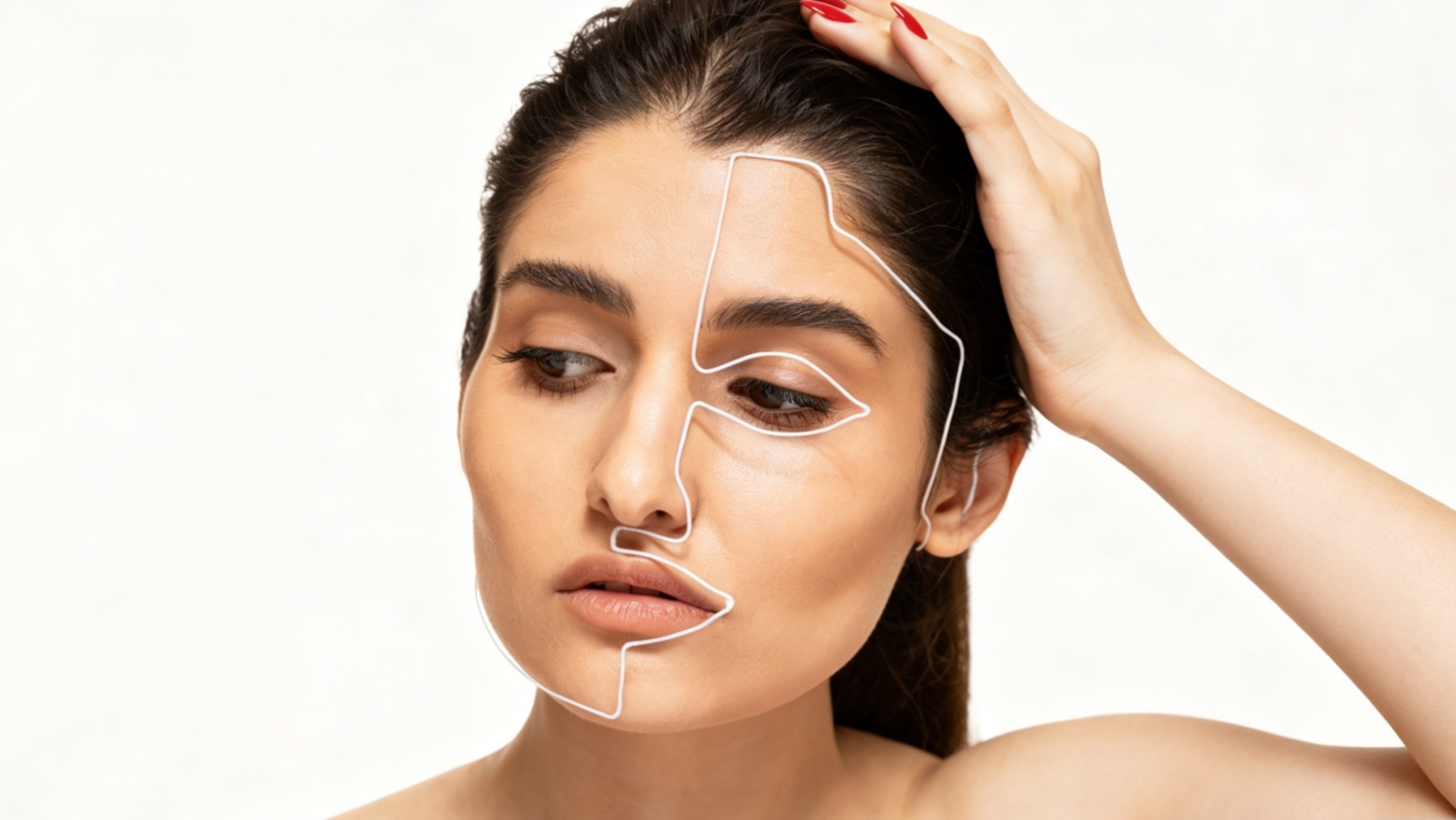
RF microneedling combines fractional radiofrequency energy with controlled microneedle penetration — creating simultaneous mechanical micro-injury and thermal coagulation zones within the dermis and subdermal tissue. This dual mechanism triggers neocollagenesis, elastin reorganization, and collagen fiber contraction with greater depth precision than traditional microneedling alone. At Aurevia Skincare in Irvine, our primary RF microneedling platform is InMode Morpheus8, an FDA-cleared device with adjustable needle depth for face, neck, and body rejuvenation without surgical intervention.
Radiofrequency microneedling (RFMN) is a minimally invasive energy-based procedure in which insulated or partially insulated microneedles penetrate the skin and deliver bipolar radiofrequency energy at a defined tissue depth. The needles create controlled microchannels — initiating a wound-healing cascade — while the RF component generates thermal coagulation columns that denature existing collagen and stimulate fibroblast activity leading to neocollagenesis and new elastin deposition.
Unlike conventional microneedling, which relies solely on mechanical injury to the epidermis and superficial dermis, RF microneedling adds calibrated heat at depth. This allows treatment of laxity, textural scarring, and rhytids that mechanical needling alone cannot adequately address. The fractional delivery pattern — treating a percentage of tissue while leaving bridges intact — accelerates healing relative to fully ablative modalities.
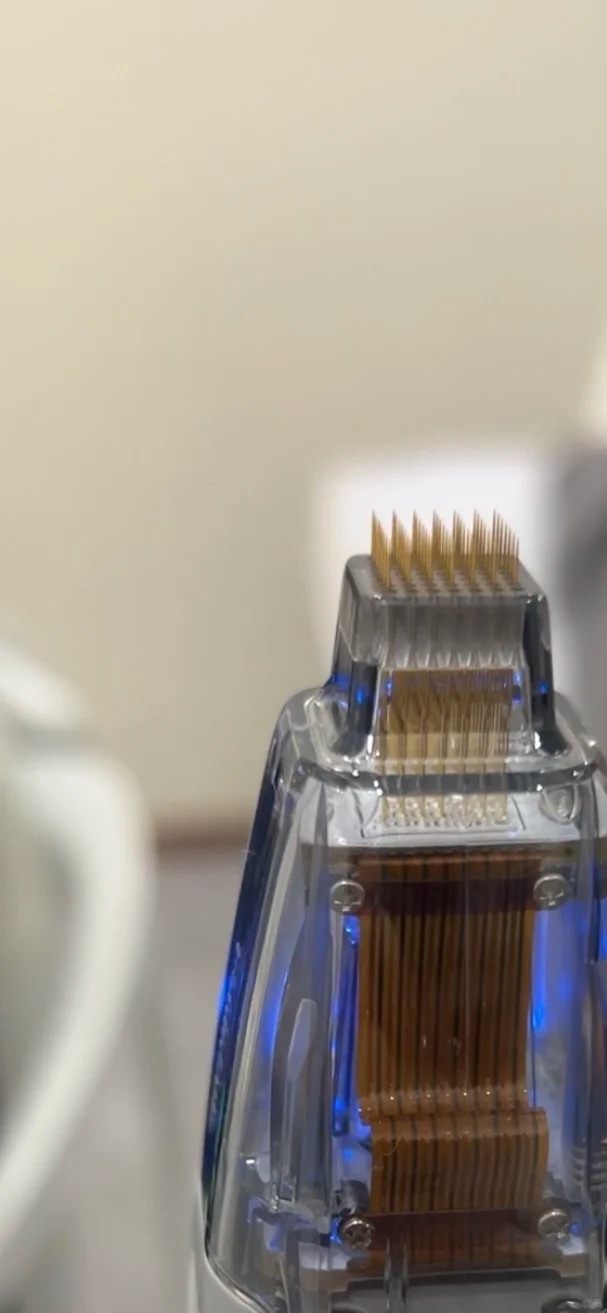
At Aurevia, we perform RF microneedling with InMode Morpheus8, which features gold-coated microneedles and modular treatment tips with adjustable depth settings from superficial epidermal remodeling to subdermal adipose contouring. Your provider selects needle depth, RF energy level, and tip configuration based on skin type, treatment zone, and clinical goals — not a one-size protocol.
*RF microneedling can be performed across Fitzpatrick skin types I–VI when parameters are individualized. Post-inflammatory hyperpigmentation risk exists on all skin types — rigorous sun protection and conservative settings on darker tones are essential.
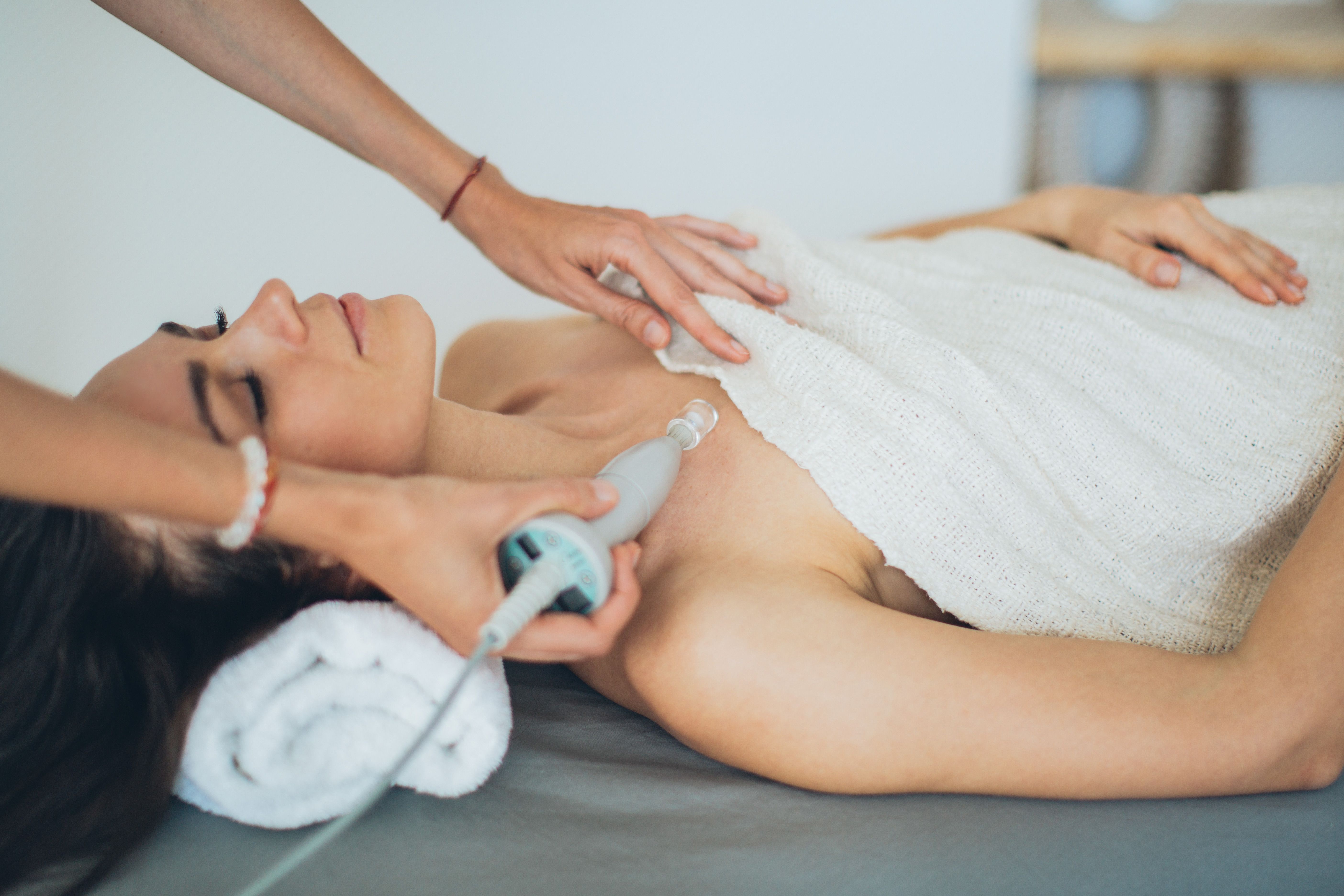
Aurevia performs RF microneedling in a controlled clinical environment with topical anesthetic, protective eyewear, and real-time parameter adjustment. Treatment begins with thorough cleansing and application of a topical numbing cream — plan to arrive 45–60 minutes early when numbing is included.
The Morpheus8 handpiece delivers fractional RF energy through an array of gold-coated microneedles that penetrate to a provider-selected depth. Patients typically feel warmth and a prickling sensation as microchannels and thermal coagulation zones are created. Conductive gel couples the device to skin and improves comfort throughout the session.
Immediately after treatment, redness, warmth, and visible microchannel marks are expected — these resolve over the following days as the skin barrier re-epithelializes. Your provider applies post-procedure balm and reviews sun-avoidance and gentle skincare instructions before discharge.
Fractional RF microneedling addresses skin quality at multiple tissue depths — tightening lax collagen, refining texture, and stimulating durable neocollagenesis with customizable intensity.
Thermal coagulation zones trigger fibroblast activation and new collagen/elastin deposition — with progressive improvement over 3 months post-treatment as tissue remodels.
RF energy contracts existing collagen fibers and remodels subdermal tissue — improving jawline definition, neck laxity, and crepey body skin without surgery.
Fractional micro-injury smooths acne scarring, enlarged pores, and uneven texture through controlled dermal remodeling at adjustable depths.
Modular tips and depth settings allow superficial periorbital treatment and deep subdermal body contouring — calibrated per zone by your provider.
Fractional delivery preserves intervening tissue bridges — typically yielding 1–5 days of social downtime versus 7–14+ days with fully ablative resurfacing.
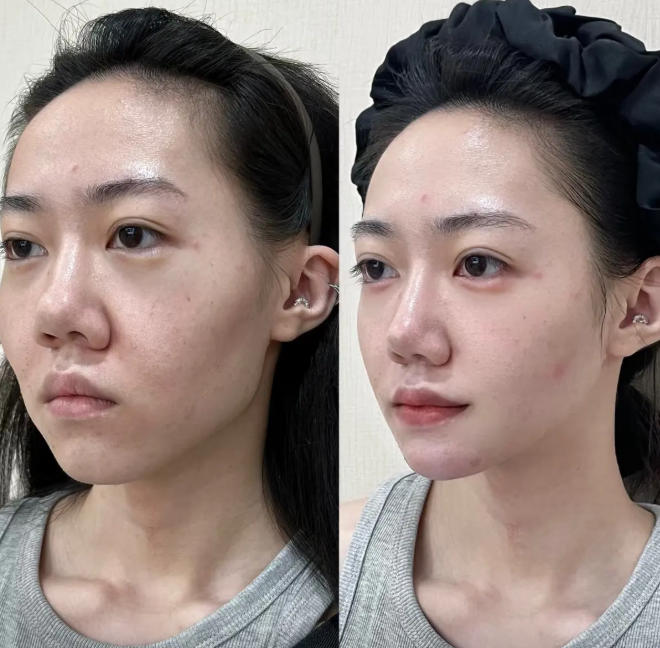
RF microneedling may not be appropriate during pregnancy or breastfeeding, with active skin infection, uncontrolled medical conditions, certain implanted devices in the treatment area, or recent isotretinoin use (provider-dependent). A consultation with our providers confirms candidacy, sets realistic expectations, and determines optimal depth and energy settings.
Adjustable depth and modular Morpheus8 tips allow treatment from delicate facial zones to larger body surfaces. Your Aurevia provider maps a plan based on laxity, scarring, and recovery preferences.
Full-face fractional RF microneedling addresses fine lines, periorbital crepiness, midface laxity, nasolabial folds, and enlarged pores. Depth and energy are reduced on thinner periorbital and upper-lip skin; broader facial planes receive moderate settings for collagen remodeling and texture refinement.
Neck banding, submental laxity, and horizontal neck lines respond to deeper RF microneedling settings that tighten collagen and improve skin quality along the jawline and platysmal region — a common concern for patients seeking nonsurgical neck rejuvenation.
Abdomen, flanks, arms, knees, and thighs — body RF microneedling targets crepey skin and laxity after weight change or aging. Subdermal depth settings can contour underlying adipose tissue while improving surface texture and elasticity.
Superficial to medium-depth fractional remodeling improves rolling, boxcar, and atrophic acne scarring by stimulating dermal collagen reorganization over a treatment series. RF energy enhances the remodeling response beyond what mechanical microneedling alone typically achieves.
Your provider reviews medical history, skin type, and goals. Pre-treatment may include sun avoidance and pausing certain actives. Topical numbing cream is applied 45–60 minutes before the procedure for patient comfort.
Makeup and oils are removed; skin is degreased. Protective eyewear is placed. Your provider selects Morpheus8 tip size, needle depth, and RF energy based on treatment zone — periorbital skin receives more conservative settings than cheeks or body.
The handpiece delivers fractional RF pulses through gold-coated microneedles with conductive gel. Controlled microchannels and thermal coagulation zones are created at the selected depth. Most facial sessions take 30–45 minutes depending on areas treated.
Redness, warmth, mild swelling, and visible microchannel marks are expected. Pinpoint bleeding may occur briefly. Cooling compresses and occlusive balm are applied. You receive written aftercare: gentle cleanser, bland moisturizer, and broad-spectrum SPF 30+.
Downtime commonly ranges from 1–5 days depending on depth and energy. Light peeling or dryness may persist up to two weeks. Collagen remodeling continues for up to 3 months after each session. A series of 1–4 treatments spaced 4–6 weeks apart is typically recommended for optimal outcomes.
30–45 minutes per session (plus numbing time). After cleansing and parameter selection, the Morpheus8 handpiece delivers fractional RF energy through adjustable-depth microneedles. Face, neck, and body zones can be treated — your plan is built at consultation.
1–5 days of visible downtime depending on depth and energy. Expect redness, swelling, microchannel marks, and possible light peeling. Avoid sun, heat, swimming, and harsh actives until skin re-epithelializes. Strict SPF and gentle skincare are mandatory throughout healing.
Progressive collagen building over months. Initial tightening may be visible within weeks; neocollagenesis continues for up to 3 months after each session. Optimal outcomes often require 1–4 treatments. Results duration depends on sun protection, skincare, and lifestyle.
Priced by treatment area and session count. Irvine RF microneedling sessions typically range from $900 – $2,500 per treatment depending on zones treated (face, neck, body) and depth of the protocol. Series pricing is quoted at consultation.
Not all microneedling is equivalent — the addition of radiofrequency energy and adjustable depth control significantly changes tissue interaction and clinical outcomes. This comparison helps you understand where RF microneedling and our Morpheus8 platform fit among common skin remodeling options.
| Feature | RF Microneedling | Traditional Microneedling | Morpheus8 (Adjustable Depth) |
|---|---|---|---|
| Mechanism | Mechanical micro-injury + bipolar RF thermal coagulation | Mechanical micro-injury only — no thermal component | Fractional RF + gold-coated needles with modular depth tips |
| Energy delivery | Radiofrequency heats tissue at needle tip depth | None — collagen stimulation via mechanical trauma alone | Calibrated RF pulses at provider-selected depth per zone |
| Neocollagenesis | Strong — thermal + mechanical wound-healing cascade | Moderate — primarily superficial to mid-dermis | Strong — deepest adjustable-depth RF microneedling platform at Aurevia |
| Maximum treatable depth | Varies by device — typically dermal to subdermal | Superficial to mid-dermis (≈0.5–2.5mm typical) | Up to 8mm with Morpheus8 body tips — subdermal adipose contouring |
| Skin tightening | Yes — collagen contraction via RF heating | Limited — minimal thermal contraction | Yes — significant tightening at deep settings |
| Typical downtime | 1–5 days (depth-dependent) | 1–3 days | 1–5 days — deeper body settings may extend recovery |
| Best for | Laxity, scarring, texture, rhytids, body skin quality | Mild texture, product penetration, early rejuvenation | Comprehensive face/neck/body remodeling with precision depth control |
*Morpheus8 is Aurevia's primary RF microneedling platform. Learn more about Morpheus8 treatment specifics →
RF microneedling outcomes depend on needle depth, energy calibration, and the provider's understanding of tissue response at each anatomical zone. At Aurevia Skincare, every treatment is individualized — from conservative periorbital settings to deep subdermal body protocols. We prioritize controlled neocollagenesis and safe recovery over maximum settings that compromise the skin barrier.Aurevia Skincare · Irvine, CA
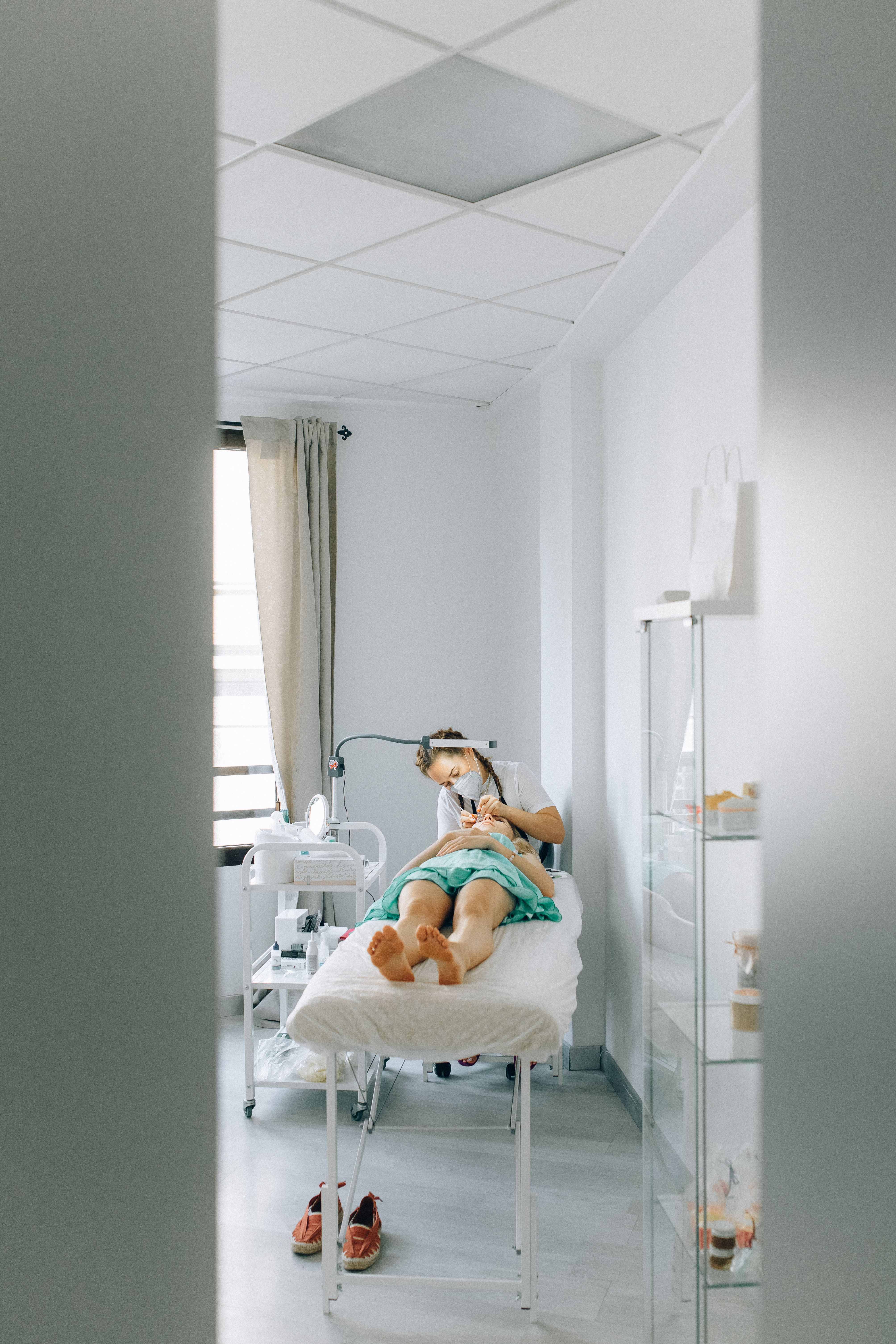
Traditional microneedling creates mechanical micro-injury with fine needles — stimulating collagen through a wound-healing response in the superficial to mid-dermis. RF microneedling adds radiofrequency energy delivered at the needle tip, generating thermal coagulation zones that denature collagen and trigger more robust neocollagenesis. This dual mechanism allows treatment of laxity, deeper scarring, and rhytids that mechanical needling alone cannot adequately address.
Our primary platform is InMode Morpheus8 — an FDA-cleared fractional RF microneedling device with gold-coated needles and modular tips for adjustable depth treatment of face, neck, and body. Morpheus8 allows precise calibration of needle penetration and RF energy per zone. View our dedicated Morpheus8 page for device-specific details.
With topical numbing, most patients tolerate RF microneedling well — describing warmth and a prickling sensation. Deeper body treatments at higher energy feel more intense. We adjust parameters and numbing to match your tolerance and treatment goals. Protective eyewear is worn throughout the session.
Most patients benefit from 1–4 sessions per treatment area, spaced 4–6 weeks apart. Mild texture concerns may respond after one session; moderate laxity or acne scarring often requires a series. Your Aurevia provider recommends a plan at consultation based on skin assessment and goals.
Downtime depends on depth and energy settings. Superficial facial treatments may involve 1–2 days of redness and microchannel marks; deeper protocols typically require 3–5 days before makeup-friendly healing. Light peeling or dryness may persist up to two weeks. Avoid picking at peeling skin.
Some tightening may be visible within weeks as collagen contracts. Continued improvement unfolds over up to 3 months after each session as neocollagenesis progresses. Full results from a complete treatment series may take several months — this timeline is normal for collagen-based remodeling.
RF microneedling can be performed on Fitzpatrick skin types I–VI when parameters are appropriately reduced. The fractional delivery pattern carries a lower PIH risk than many fully ablative lasers, but post-inflammatory hyperpigmentation is still possible. Conservative energy, appropriate depth, and rigorous sun protection are essential. A thorough assessment determines whether RF microneedling is appropriate for your skin.
Aurevia Skincare is Irvine's destination for advanced RF microneedling. Discover whether fractional radiofrequency microneedling with InMode Morpheus8 is right for your skin rejuvenation goals with a consultation from our clinical team.