Collagen and elastin are the structural proteins that give skin its firmness, support, and recoil. Collagen provides tensile strength — the scaffold that keeps skin taut against underlying tissue. Elastin allows skin to stretch and return to shape. Beginning in our twenties, production of both proteins gradually declines; by midlife, the rate of collagen breakdown often exceeds synthesis. UV exposure, smoking, hormonal changes, and gravity accelerate this process.
As collagen and elastin diminish, skin on the face, neck, and body begins to sag. Forehead lines become static rather than expression-driven. Jowls soften the jawline. Neck skin develops a crepe-like texture. Body skin on the arms, knees, and abdomen loses tone. Topical creams can moisturize but cannot meaningfully rebuild dermal collagen at depth — which is why energy-based treatments have become the standard nonsurgical approach to skin tightening.
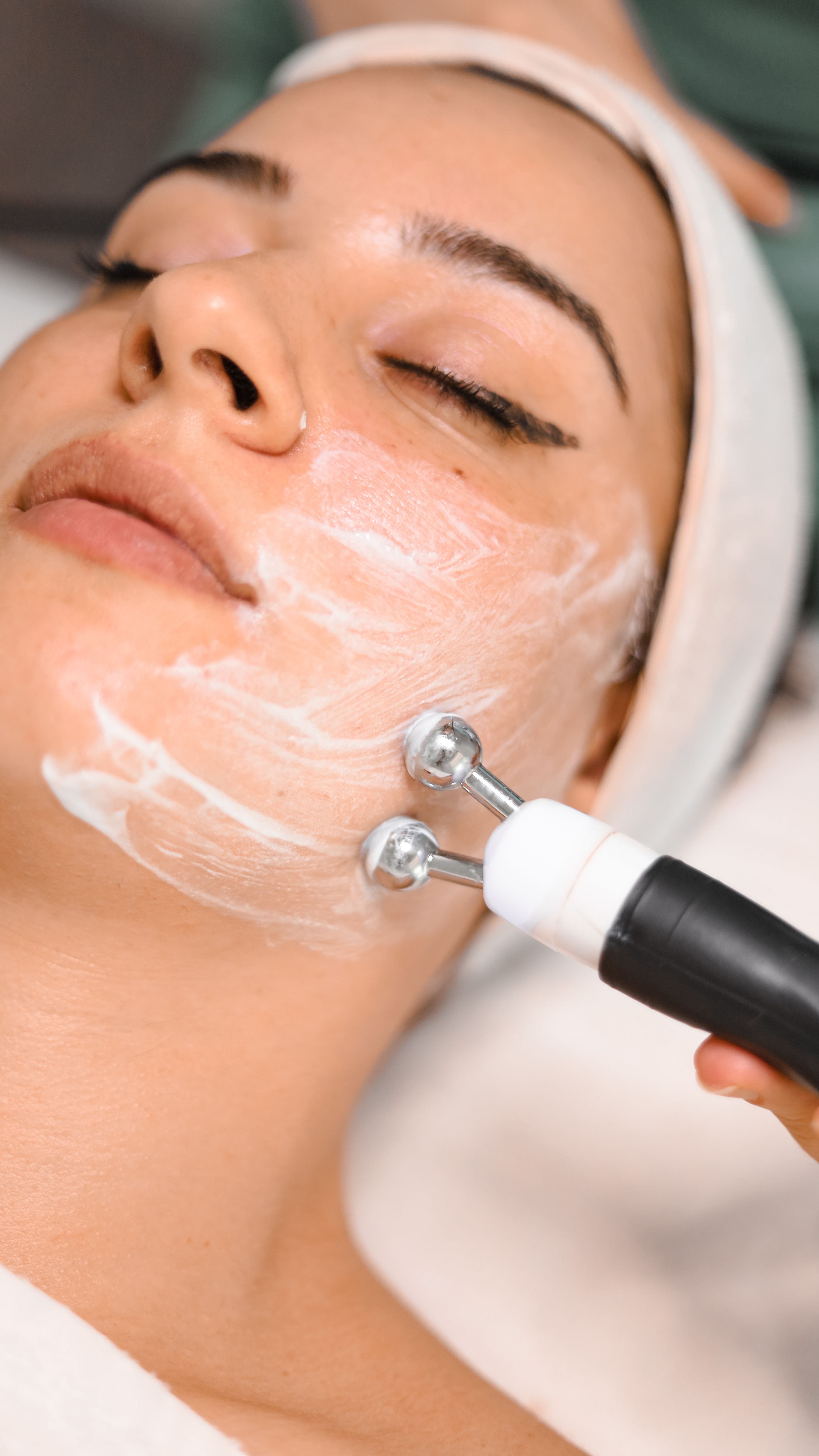
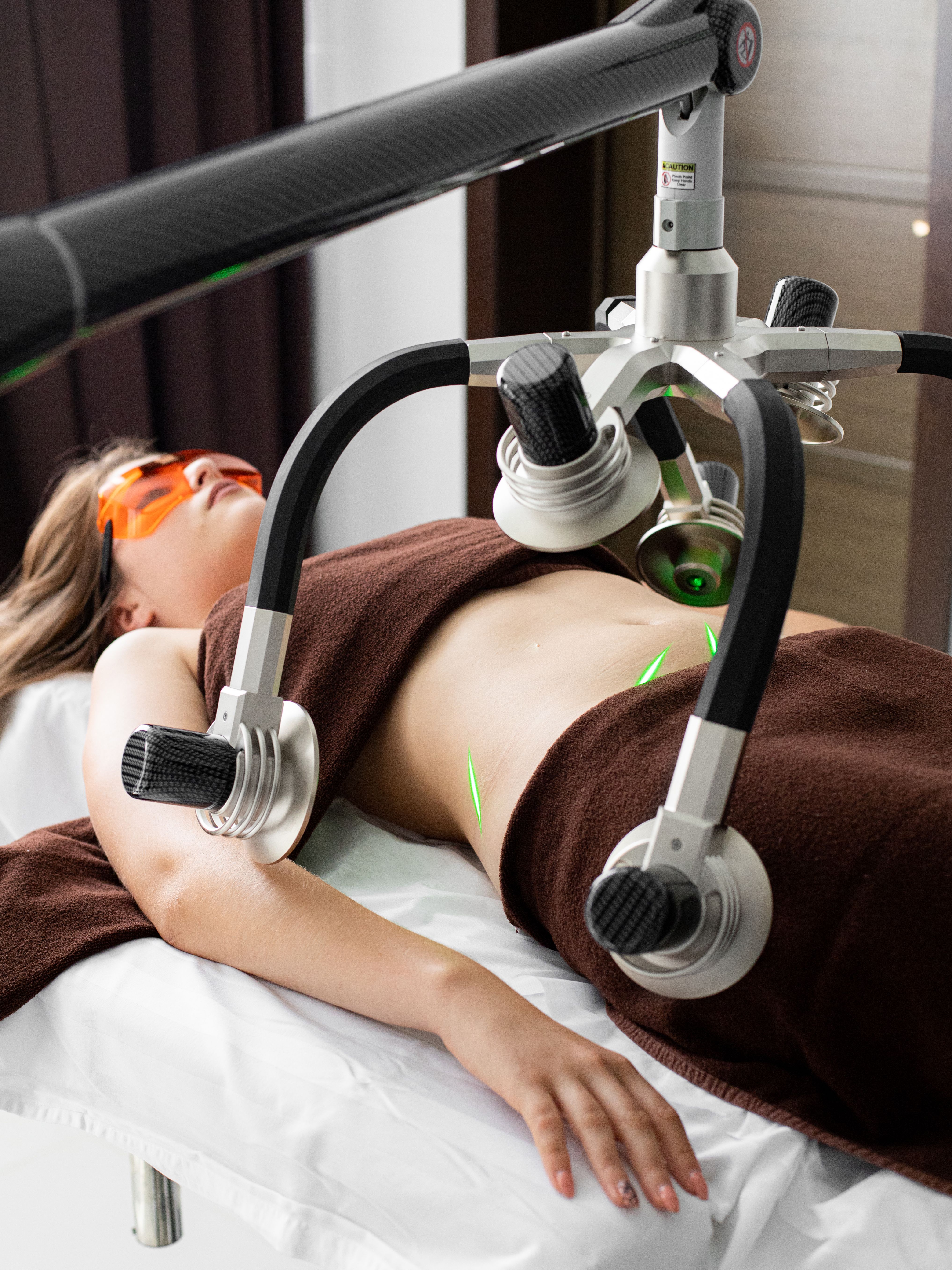
Our non-surgical platforms work by delivering controlled thermal or fractional injury to dermal tissue — triggering fibroblast activation, neocollagenesis, and elastin reorganization. Results are progressive: initial contraction may be visible within weeks, with continued improvement over 2–6 months as new collagen matures. Maintenance sessions and rigorous sun protection extend longevity — typically 6–12 months depending on modality and lifestyle.